.png)
What Causes Skin Laxity—and Which Treatments Actually Tighten It?

Skin laxity isn’t just an age-related issue—it’s a silent shift that can begin in your 30s, long before deep wrinkles appear. Behind the scenes, collagen loss, hormonal changes, and even stress gradually loosen the skin’s support system. Yet many women dismiss the early signs, mistaking them for dehydration or tiredness. Understanding what truly causes skin laxity—and how to treat it early—can reshape how we think about aging and skin health.
What Is Skin Laxity? A Simple Breakdown
Skin laxity is more than just “loose skin”—it’s the result of your body slowly losing its structural proteins like collagen and elastin. These proteins are what give skin its firmness and ability to snap back. When they break down (which can start in your late 20s), skin becomes thinner, less resilient, and starts to sag. What many don’t realize is that this process can also be triggered by factors like weight fluctuations, UV exposure, chronic stress, and even poor sleep. It’s not always dramatic or visible at first. Early signs can include crepey texture around the eyes, jawline softening, or skin that doesn’t bounce back when pinched. Understanding these early shifts is key to choosing treatments that actually support your skin’s deeper layers—not just the surface.
What Causes Skin Laxity? It’s Not Just About Age
While aging is the most talked-about reason for skin laxity, it’s far from the only one. In fact, many people start noticing subtle skin looseness in their 30s—not because of age alone, but due to a mix of often-overlooked triggers. Chronic stress, for example, increases cortisol levels, which can interfere with collagen production. Poor sleep disrupts skin cell repair cycles. Rapid weight loss or yo-yo dieting can stretch skin without giving it time to recover, leaving it looser. Even indoor pollution and high screen time—yes, the blue light from phones and laptops—may speed up collagen breakdown. Genetics also play a role; if your family has a history of early skin thinning, you may see signs sooner. Recognizing these root causes helps shift the focus from just treating the surface to supporting the deeper skin structure.
Non-Surgical Treatments That Actually Work
When it comes to tightening loose or thinning skin, not all treatments are created equal. The key to real, visible results is targeting the deeper layers of the skin where collagen and elastin live—not just polishing the surface. Here are the most effective non-surgical options, with details that often get overlooked:
Sculptra: Collagen Support That Builds Over Time
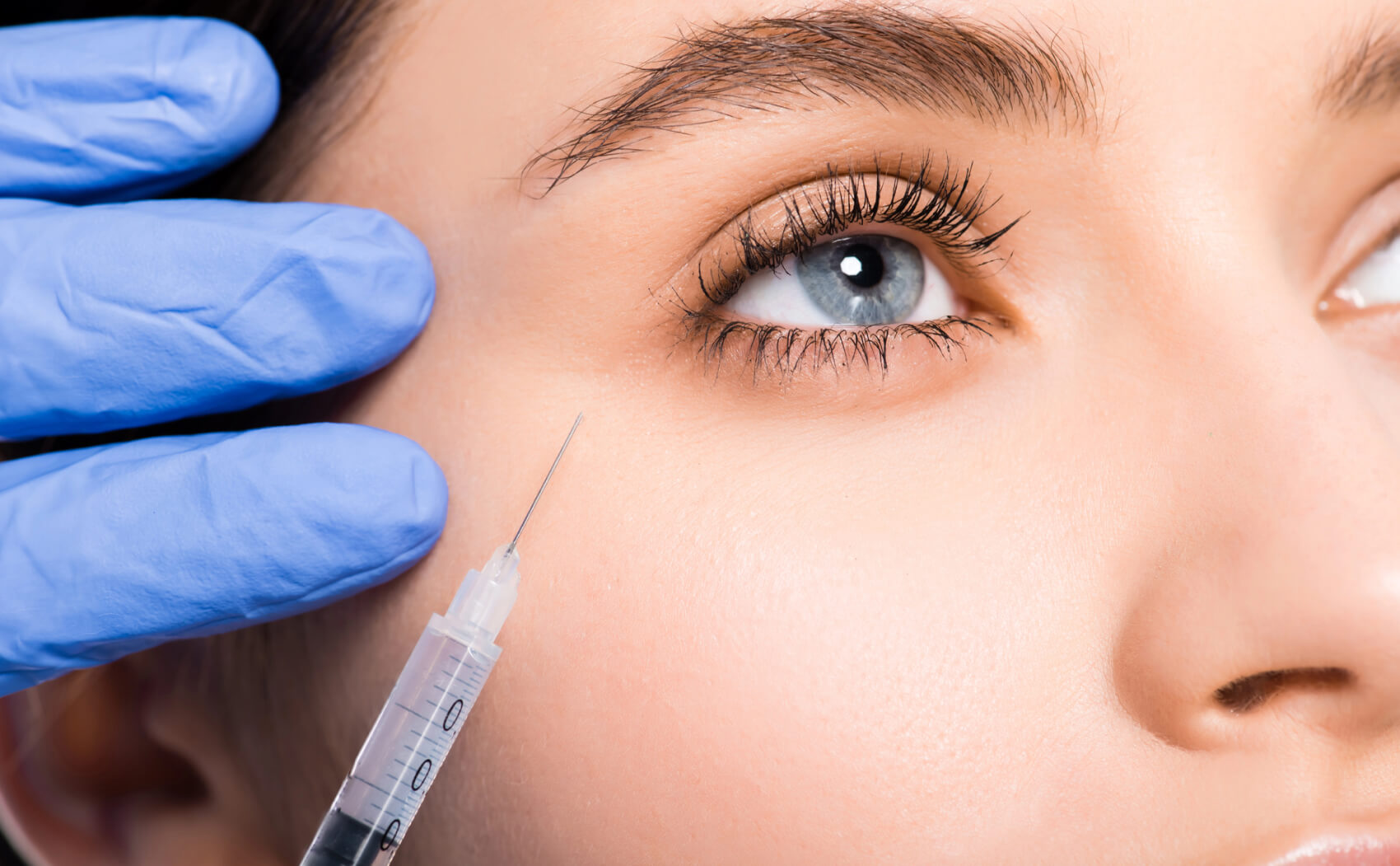
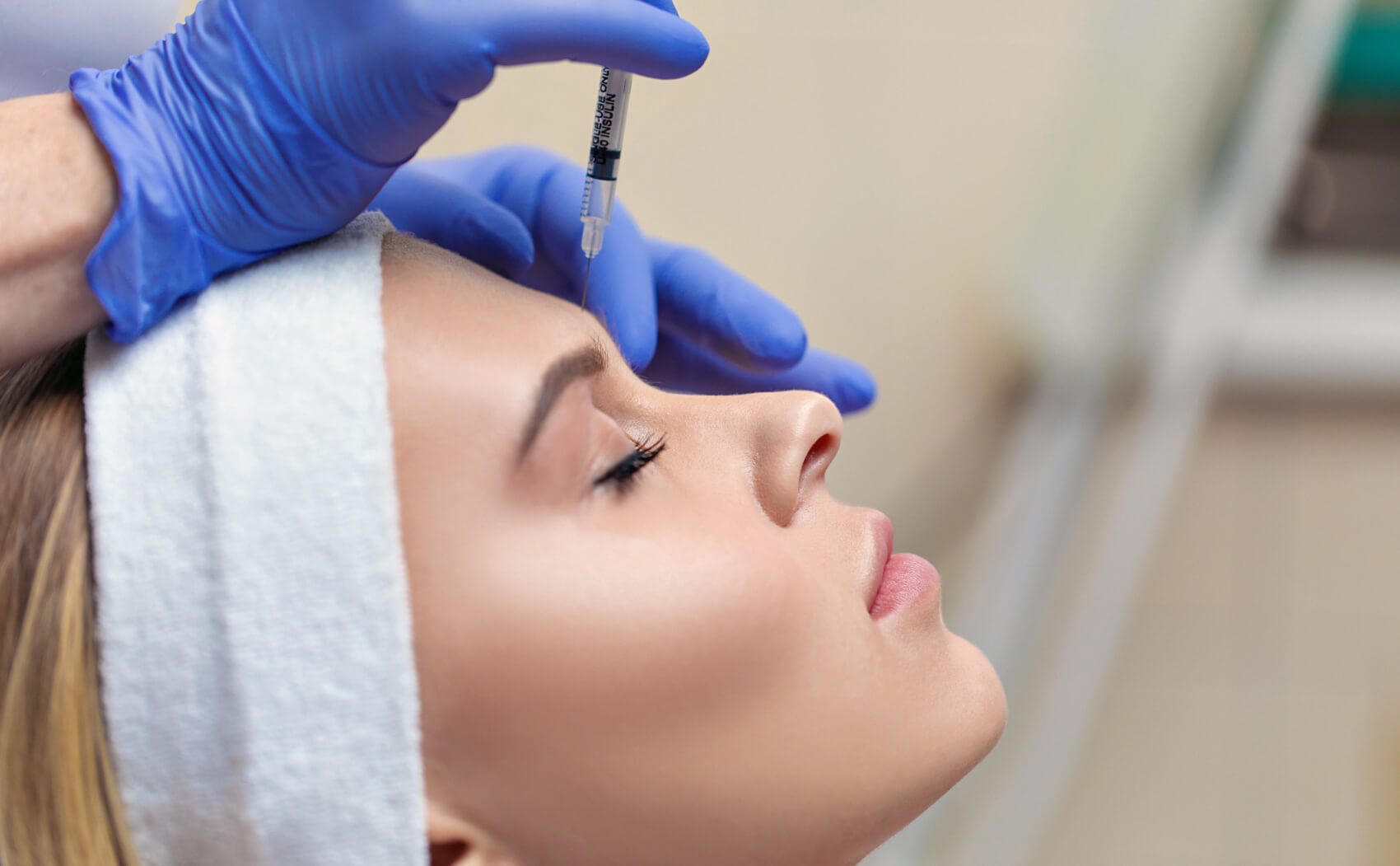
Unlike hyaluronic acid fillers, Sculptra works by stimulating your body’s natural collagen production. It’s especially helpful for mild to moderate skin laxity in the cheeks, jawline, and temples. What most people don’t know: Sculptra doesn’t give instant results. It builds volume slowly over weeks, and those changes can last up to two years. It’s not just about filling—it’s about rebuilding.
Microneedling with Growth Factors: Repair That Goes Deeper
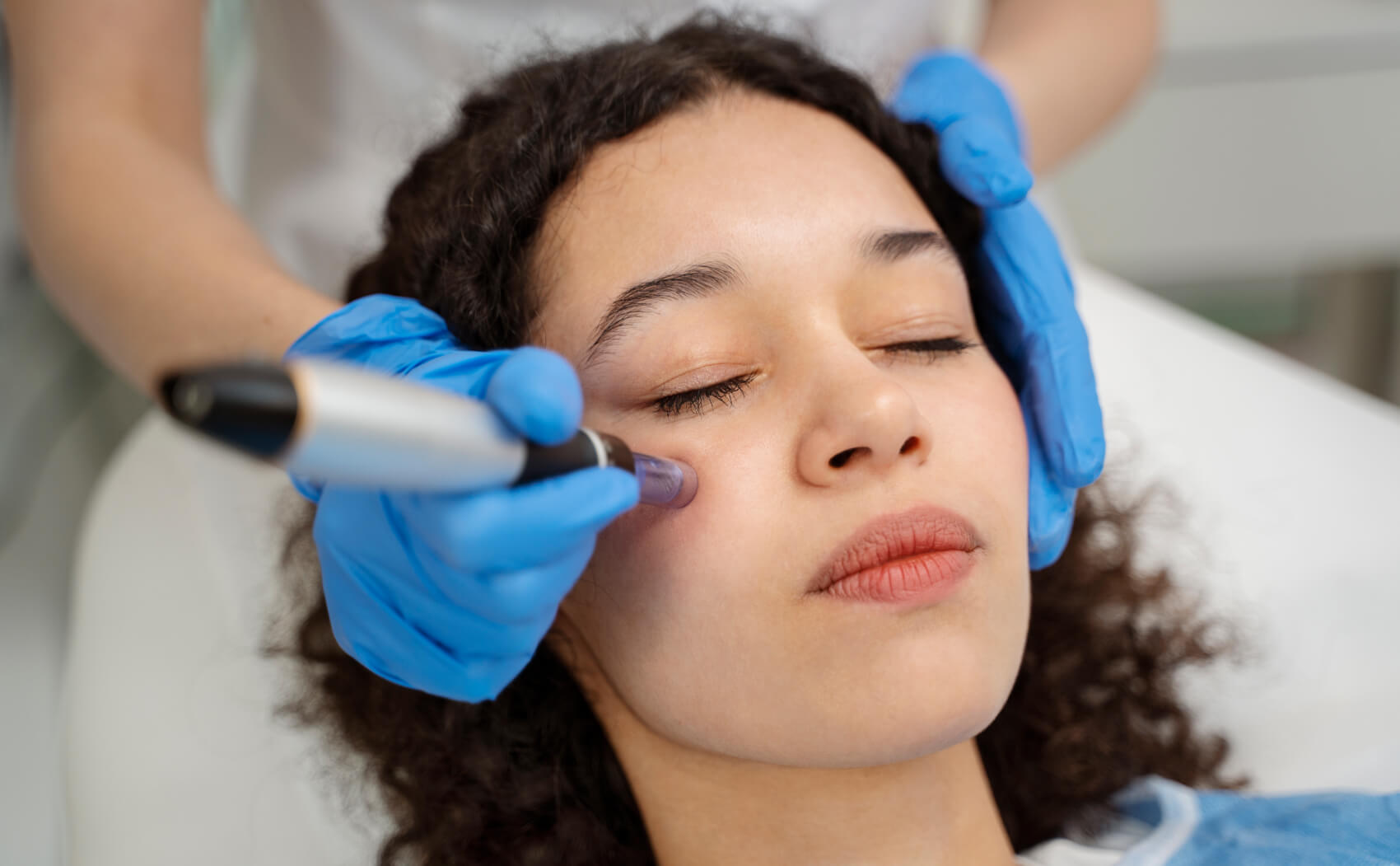
Microneedling creates controlled micro-injuries to boost collagen. When paired with growth factors or platelet-rich plasma (PRP), results can be significantly enhanced. A unique benefit: it improves both texture and laxity, especially around delicate areas like the eyes. Few experts emphasize this, but consistency—spacing treatments about 4–6 weeks apart—makes a huge difference in long-term firmness.
Ultrasound-Based Treatments: Precision Lifting
Focused ultrasound can reach deeper than many surface-level treatments, targeting the foundational layers of skin without damaging the top layer. It’s ideal for those not quite ready for surgery but noticing early drooping. One overlooked tip: results often peak 3–6 months after treatment, so patience is part of the plan.
Why Timing Matters—Treating Skin Laxity Early
One of the most overlooked truths about skin laxity is that prevention is far easier—and more effective—than correction. By the time sagging becomes visibly noticeable, your skin has already lost a significant amount of collagen and elasticity. Starting treatments in your 30s or early 40s helps preserve your skin’s structural integrity before it’s compromised. What’s not often discussed: early intervention allows for more natural-looking results and may reduce the need for more aggressive procedures later on. Regular, subtle treatments can maintain your skin’s firmness over time, helping you age gradually and gracefully instead of playing catch-up. Think of it less like “fixing” something and more like maintaining something valuable—like staying consistent with exercise to prevent injury. Addressing skin laxity early is one of the smartest ways to protect your investment in long-term skin health.
How to Choose the Right Approach for You
Choosing the right skin tightening treatment isn’t just about the latest technology or the most popular procedure. It’s about understanding your unique skin biology, lifestyle, and long-term goals. Many experts overlook how factors like your daily sun exposure, hydration habits, and even sleep quality influence both skin laxity and treatment outcomes. A truly personalized approach considers these lifestyle elements alongside clinical assessment. For example, someone with early laxity and a high commitment to skincare may benefit from less invasive options like microneedling with growth factors, while others might need more gradual collagen-building treatments like Sculptra. Remember, the best approach fits seamlessly into your life and supports your skin’s health sustainably, not just temporarily.
Skin Tightening Questions You’re Not Asking (But Should Be)
- How does my skin type affect the results and safety of different tightening treatments? Many treatments are marketed as one-size-fits-all, but your skin’s thickness, sensitivity, and underlying conditions play a big role in how well a procedure will work and how long results last.
- What lifestyle factors could be sabotaging my skin’s natural firmness? Things like chronic stress, poor sleep, and diet often go unnoticed but have a direct impact on collagen breakdown and skin elasticity.
- Are there “hidden” benefits or risks with collagen-stimulating treatments that I should know? Some treatments boost collagen but also temporarily increase inflammation, which can affect healing times or interfere with other skincare routines.
- How do seasonal changes affect skin tightening treatments and recovery? Skin responds differently to heat, humidity, and sun exposure, which can influence both the timing and effectiveness of your treatments.
- What’s the realistic timeline for visible improvement, and how does it vary by treatment? Patience is key—knowing when to expect results can prevent disappointment and help you plan follow-up treatments strategically.
- Can combining treatments create better or longer-lasting results, and if so, which combinations work best? Understanding safe and effective treatment pairings can maximize skin tightening without overloading your skin.
- How can I support my skin between treatments to maintain firmness naturally? Daily habits, specific skincare ingredients, and non-clinical therapies often go unmentioned but are vital to long-term success.
Final Thoughts
Understanding what causes skin laxity and exploring effective treatment options empowers you to take control of your skin’s health and appearance. While aging and environmental factors are inevitable, modern non-invasive treatments like ultrasound, microneedling, and Sculptra offer promising ways to restore firmness without surgery. Remember, the key is a personalized approach tailored to your unique skin needs and lifestyle. If you’re ready to learn more about the best skin tightening options for you, visit us at Genevieve Aesthetic or call 704-286-8482 to schedule a consultation today. Your journey to rejuvenated, youthful skin starts here.