.png)
How Many Microneedling Sessions Do You Need for Acne Scars?
Acne scars can be a lingering reminder of past breakouts, often affecting self-confidence long after active acne has cleared. Fortunately, microneedling offers a highly effective, non-surgical solution to minimize the appearance of scars by stimulating the skin’s natural healing processes. While many are familiar with the benefits of microneedling, one of the most common questions is, “How many sessions are needed for optimal results?”
The answer isn’t one-size-fits-all, as the effectiveness of microneedling depends on various factors, such as the type and severity of scars and an individual’s skin type. This article explores the nuances of microneedling for acne scars, offering insights into session recommendations and factors that influence outcomes. By understanding these details, you can better plan your skincare journey to achieve smoother, healthier skin.
How Microneedling Helps Treat Acne Scars
The Science Behind Microneedling
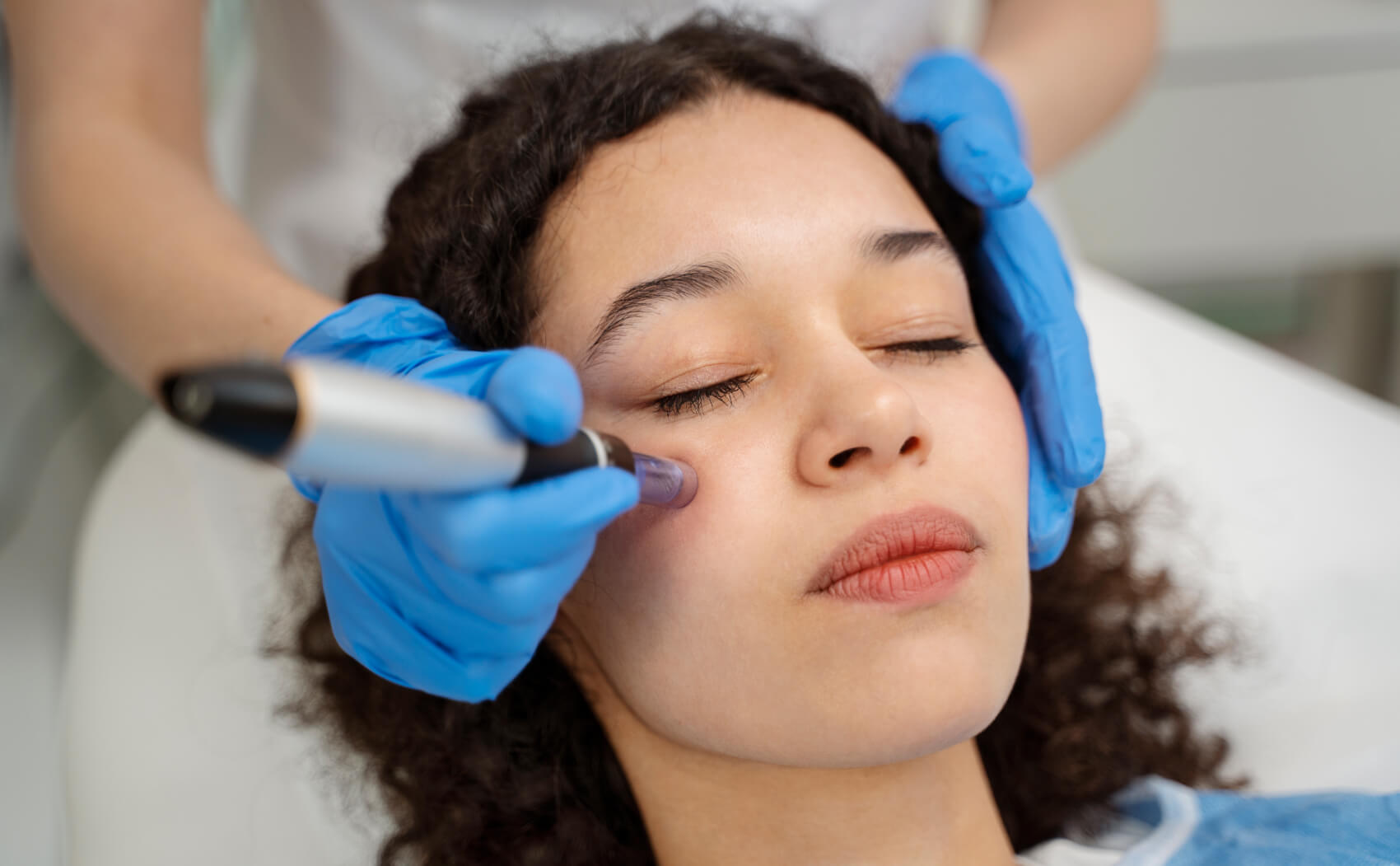
Microneedling, also known as collagen induction therapy, is a minimally invasive procedure that leverages the body’s natural healing processes to improve skin texture and reduce scarring. Using a device equipped with fine needles, the treatment creates controlled micro-injuries in the skin’s surface. While this may sound counterintuitive, these tiny injuries stimulate the production of collagen and elastin, the essential proteins responsible for skin strength, elasticity, and repair. Over time, the newly generated collagen helps to fill in depressed scars and smooth uneven textures caused by acne damage.
Why Microneedling Is Effective for Acne Scars
Microneedling is uniquely versatile, making it effective for various types of acne scars. Boxcar scars benefit from the increased collagen production that lifts and smooths the scarred area, while rolling scars see significant improvement as the treatment promotes skin tightening and texture refinement. Even stubborn ice pick scars, known for their deep, narrow indentations, can be minimized with repeated sessions of microneedling.
What sets microneedling apart is its ability to target scar tissue without harming the surrounding healthy skin. This precision makes it an ideal choice for addressing acne scars, as it minimizes downtime while delivering visible, long-term results. Additionally, microneedling’s ability to enhance overall skin quality—reducing pore size and improving tone—makes it a holistic solution for those seeking comprehensive skin rejuvenation.
Factors That Determine the Number of Sessions Needed
The number of microneedling sessions required to treat acne scars depends on several unique factors that vary from person to person. While microneedling is highly effective for improving skin texture and reducing the appearance of scars, the treatment plan should be customized to the individual’s needs. Understanding these factors can help set realistic expectations for achieving optimal results.
- Type and Severity of Scars: Different types of acne scars respond differently to microneedling. Shallow scars, such as rolling scars, may require fewer sessions, while deeper scars, like ice pick scars, typically need more treatments for noticeable improvement.
- Skin Type and Healing Capacity: Skin with a strong regenerative ability responds more quickly to microneedling. Factors such as age, overall health, and skincare routine can influence how effectively the skin heals and produces collagen after each session.
- Treatment Goals: Patients aiming for complete scar removal may need more sessions than those seeking mild improvements. The desired level of results plays a significant role in determining the number of treatments.
- Combination Therapies: Adding treatments like PRP (Platelet-Rich Plasma) or PRF (Platelet-Rich Fibrin) to microneedling can enhance results, sometimes reducing the total number of sessions needed.
Each person’s skin and scars are unique, making it essential to consult a skincare professional for a tailored treatment plan.
General Recommendations for Microneedling Sessions
Microneedling is a progressive treatment, meaning its results build over time as collagen production is stimulated and skin renewal occurs. While every individual’s skin is different, certain general guidelines can help set expectations for the number of sessions typically needed and how to space them for optimal outcomes. These recommendations ensure patients get the most out of their microneedling journey.
- Number of Sessions: On average, 3 to 6 microneedling sessions are recommended for noticeable improvement in acne scars. However, severe or deep scars may require up to 8 sessions for significant results.
- Treatment Intervals: It’s essential to allow the skin sufficient time to heal and regenerate between sessions. Most professionals recommend spacing treatments 4 to 6 weeks apart to maximize collagen production without overburdening the skin.
- Ongoing Maintenance: Once the initial series of treatments is complete, some patients opt for periodic maintenance sessions every 6 to 12 months to sustain collagen levels and maintain long-term results.
- Age and Skin Condition: Younger patients or those with healthy, resilient skin may achieve results faster, requiring fewer sessions. Conversely, older individuals or those with slower collagen production might benefit from additional treatments.
By following these recommendations and tailoring the plan to the individual’s needs, microneedling can provide transformative results, significantly reducing the appearance of acne scars and improving overall skin health.
What to Expect During Your Microneedling Journey
Embarking on a microneedling journey for acne scars involves more than just the treatment itself—it’s a process that combines professional care, personal commitment, and gradual results. Understanding what to expect can help you prepare for each step and maximize the benefits of the treatment.
The microneedling procedure begins with a thorough consultation to assess your skin and create a customized plan tailored to your specific acne scars. During the treatment, a numbing cream is applied to minimize discomfort, and a device with fine needles is used to create controlled micro-injuries in the skin. The process typically takes 30 to 60 minutes, depending on the areas being treated.
Immediately after a session, you may notice redness and mild swelling, similar to a sunburn. These effects usually subside within 24 to 48 hours. Over the following days, your skin may feel slightly rough or dry as it begins the healing process. It’s important to follow post-treatment instructions, such as avoiding sun exposure and applying hydrating serums, to support recovery and optimize results.
Visible improvements in skin texture and scar reduction typically appear after the second or third session, with gradual enhancements continuing over several months. By understanding the timeline and embracing the process, you’ll be equipped to achieve smoother, rejuvenated skin through microneedling.
Conclusion
Microneedling offers a powerful, non-invasive solution for reducing acne scars and improving skin texture. By stimulating your skin’s natural healing process and promoting collagen production, this treatment delivers gradual, long-lasting results tailored to your unique needs. Whether you’re dealing with deep scars or subtle imperfections, microneedling can help you achieve smoother, rejuvenated skin with minimal downtime.
Ready to take the first step toward transforming your skin? Visit us at Genevieve & Co. in Charlotte, NC, or call us at (704) 286-8482 to schedule your personalized consultation today! Let us help you reveal your most confident self.