.png)
How Often Should You Dermaplane? A Guide to Perfecting Your Skin Care Routine

Dermaplaning has emerged as a game-changing treatment for those seeking smoother, brighter skin, but many are unsure about how often it should be performed. While it’s often associated with removing peach fuzz, dermaplaning offers much more—it exfoliates the skin, removes dead cells, and enhances the effectiveness of skincare products. However, finding the ideal frequency to incorporate dermaplaning into your routine is key to achieving optimal results without overdoing it. This article explores the nuances of dermaplaning frequency, providing insights on how to tailor it to your skin type, concerns, and goals for a perfectly balanced skincare routine.
What is Dermaplaning? Understanding the Treatment
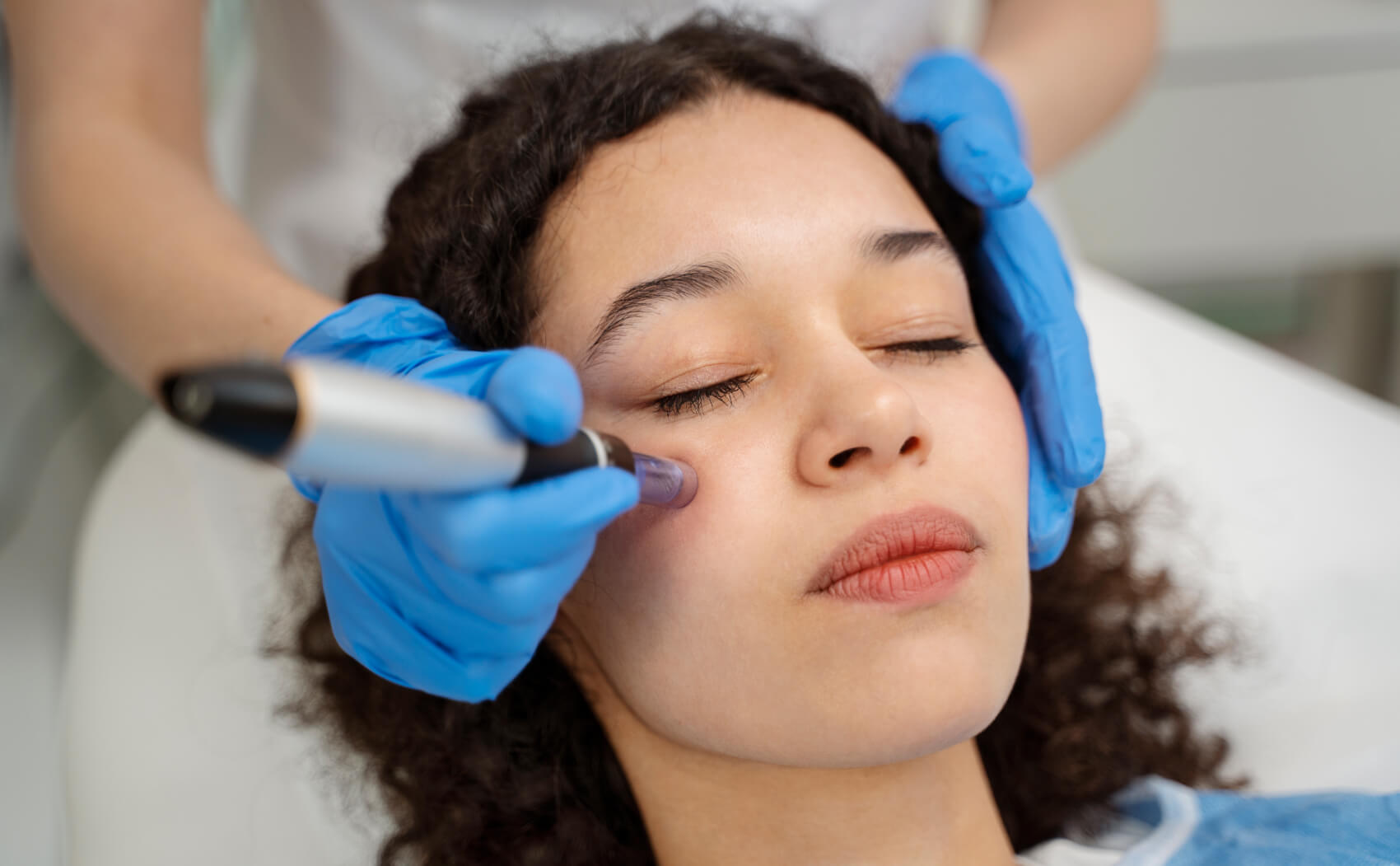
Dermaplaning is a professional exfoliation treatment that involves using a surgical-grade scalpel to gently remove dead skin cells and fine vellus hair, commonly known as peach fuzz. Unlike typical exfoliation techniques that rely on scrubbing or chemicals, dermaplaning provides a more refined approach, delivering an immediate glow and a smoother surface. This treatment not only enhances skin texture but also allows for better penetration of skincare products, making them more effective. What sets dermaplaning apart from traditional exfoliation is its ability to deeply renew the skin without irritation, making it ideal for those with sensitive skin or those seeking a gentle alternative to chemical peels. It’s a treatment designed to reveal fresh, radiant skin with little to no downtime.
How Often Should You Dermaplane?
The frequency of dermaplaning largely depends on your skin type and goals. While many people find that dermaplaning once a month is ideal, others may benefit from a more frequent treatment, such as every two weeks. This is because the removal of dead skin cells and peach fuzz promotes faster skin turnover. However, it’s essential to listen to your skin—over-exfoliating can lead to irritation, dryness, or increased sensitivity. If you have sensitive skin or are prone to redness, spacing out treatments is key. For those looking to maintain that smooth, glowing complexion consistently, monthly dermaplaning treatments work well. Regular treatments can also help reduce the appearance of fine lines and provide a more even skin tone. Be sure to consult with a skincare professional to tailor the treatment to your individual needs.
Dermaplaning Benefits: Why It’s Worth Adding to Your Skincare Routine
- Enhanced Product Absorption
Dermaplaning removes the outermost layer of dead skin cells and peach fuzz, which allows skincare products to penetrate deeper and work more effectively. When your skin is smooth and free of debris, ingredients like serums, moisturizers, and treatments can reach deeper layers and provide better results. - Instant Glow and Radiance
One of the most immediate benefits of dermaplaning is the instant glow it provides. The procedure exfoliates the skin, revealing fresher, more youthful skin underneath. This can give you that radiant, luminous look without the need for heavy makeup or highlighters. - Reduces the Appearance of Fine Lines
By promoting cell turnover, dermaplaning helps to smooth out fine lines and wrinkles, particularly around delicate areas like the eyes and mouth. With consistent treatment, you may notice a softening of crow’s feet and smile lines, resulting in a smoother, more youthful appearance. - Smoother Skin Texture
Dermaplaning is an excellent solution for those who struggle with uneven skin texture. The treatment effectively exfoliates the skin’s surface, smoothing out rough patches and providing a soft, even feel. This makes it a great option for those with dull skin or post-acne scarring. - Prevents Clogged Pores and Breakouts
By clearing away dead skin cells and buildup from the skin’s surface, dermaplaning reduces the likelihood of clogged pores and breakouts. This can be particularly beneficial for individuals with oily or acne-prone skin, as it removes the excess buildup that often leads to blemishes. - Safe for Most Skin Types
Unlike some other exfoliation treatments, dermaplaning is safe for a wide range of skin types, including sensitive skin. There’s minimal risk of irritation or damage to the skin, making it an appealing option for those who need a gentle yet effective exfoliation method. - Improves Makeup Application
Dermaplaning provides a flawless canvas for makeup. The removal of peach fuzz ensures that makeup applies evenly and smoothly, without clinging to dry patches or hair. This results in a more natural, airbrushed finish and longer-lasting wear.
Dermaplaning vs. Exfoliating: Understanding the Differences
While both dermaplaning and traditional exfoliation serve the same general purpose—removing dead skin cells—they differ significantly in technique and results. Dermaplaning involves the use of a surgical-grade scalpel to gently scrape away dead skin cells and peach fuzz, offering a deeper level of exfoliation that traditional scrubs can’t achieve. This method not only smooths the skin’s surface but also removes fine vellus hair, giving your complexion an ultra-smooth finish.
Exfoliating, on the other hand, typically involves scrubs, chemical exfoliants, or exfoliating brushes that work on the skin’s surface level. While effective for removing dead skin, these methods don’t target peach fuzz or reach the deeper layers of the skin as dermaplaning does. Additionally, some exfoliating products can cause irritation, especially for sensitive skin types, whereas dermaplaning tends to be less abrasive and better suited for most skin types.
Dermaplaning Safety: Is It Right for Everyone?
Dermaplaning is generally safe for most skin types, but it’s not without exceptions. Individuals with active acne, rosacea, or other skin conditions that cause irritation should avoid dermaplaning, as the process could aggravate these issues. Similarly, if your skin is extremely sensitive or prone to cuts and nicks, you might want to reconsider or consult with a professional before trying dermaplaning. Additionally, those with thick, coarse facial hair may not see the same level of smoothness from dermaplaning, as the procedure is more effective on fine, vellus hair. For the majority, however, dermaplaning offers a safe, non-invasive treatment for achieving smooth, glowing skin without downtime.
In Conclusion
In conclusion, dermaplaning is a safe and effective way to achieve smoother, brighter skin when done at the right frequency—typically every 3 to 4 weeks. It helps exfoliate dead skin cells and remove peach fuzz, allowing for better product absorption and a more polished look. However, your ideal schedule may vary based on your skin type and goals. For the best results, consult with a professional who can tailor a routine to your needs. Ready to experience the benefits of expert dermaplaning? Visit us or call (704) 286-8482 to schedule your appointment today!