.png)
Does Sculptra Really Work? What You Need to Know Before You Try It
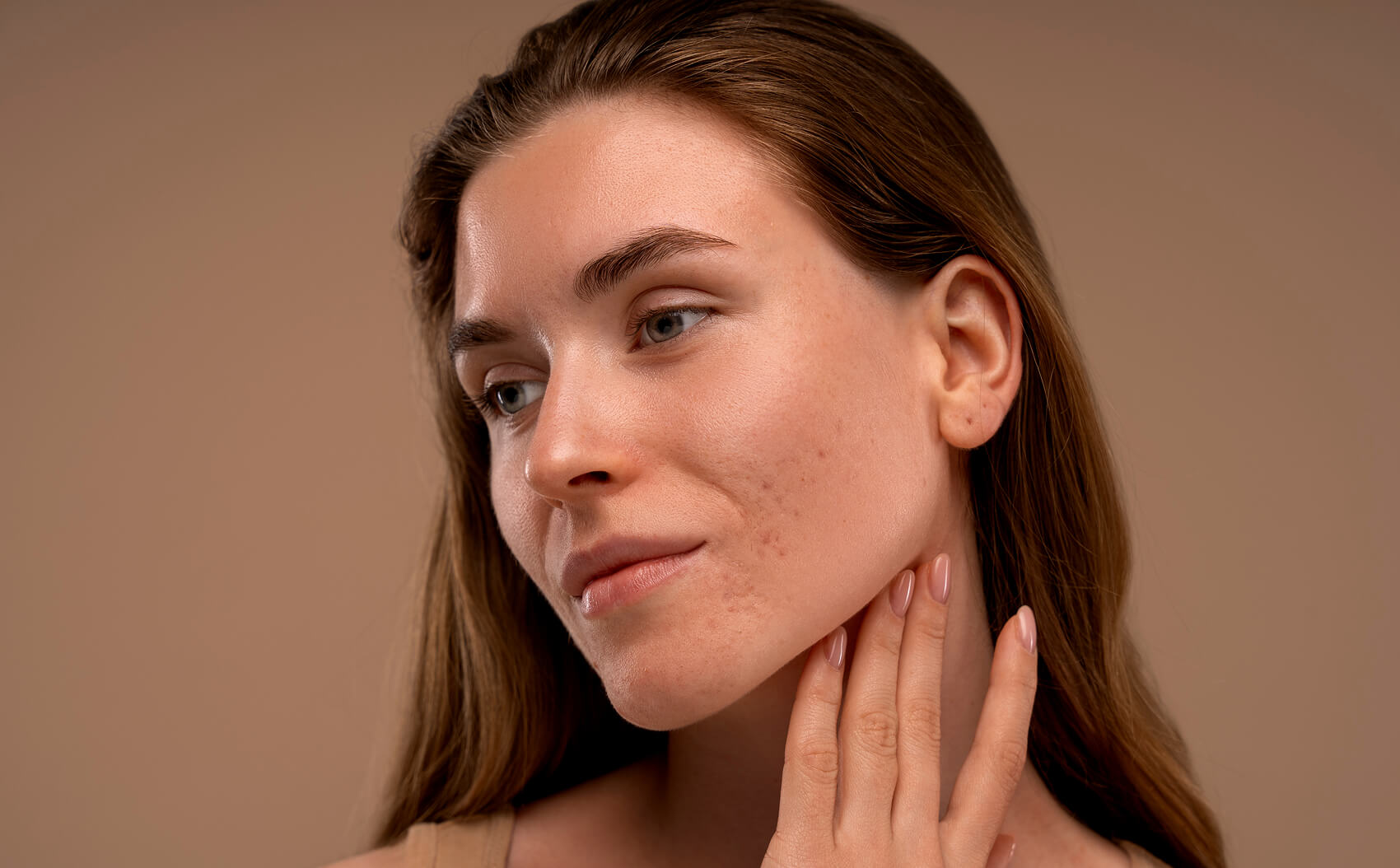
In the world of aesthetic treatments, Sculptra isn’t just about looking younger—it’s about supporting your skin’s natural ability to renew itself over time. As more women seek results that look organic and evolve gradually, Sculptra stands out by prioritizing collagen restoration over quick volume fixes. This shift reflects a deeper, often overlooked trend: choosing treatments that enhance long-term skin health, not just short-term appearance. But does Sculptra really work? Let’s explore.
What is Sculptra? A Closer Look at Poly-L-Lactic Acid Facial Treatment
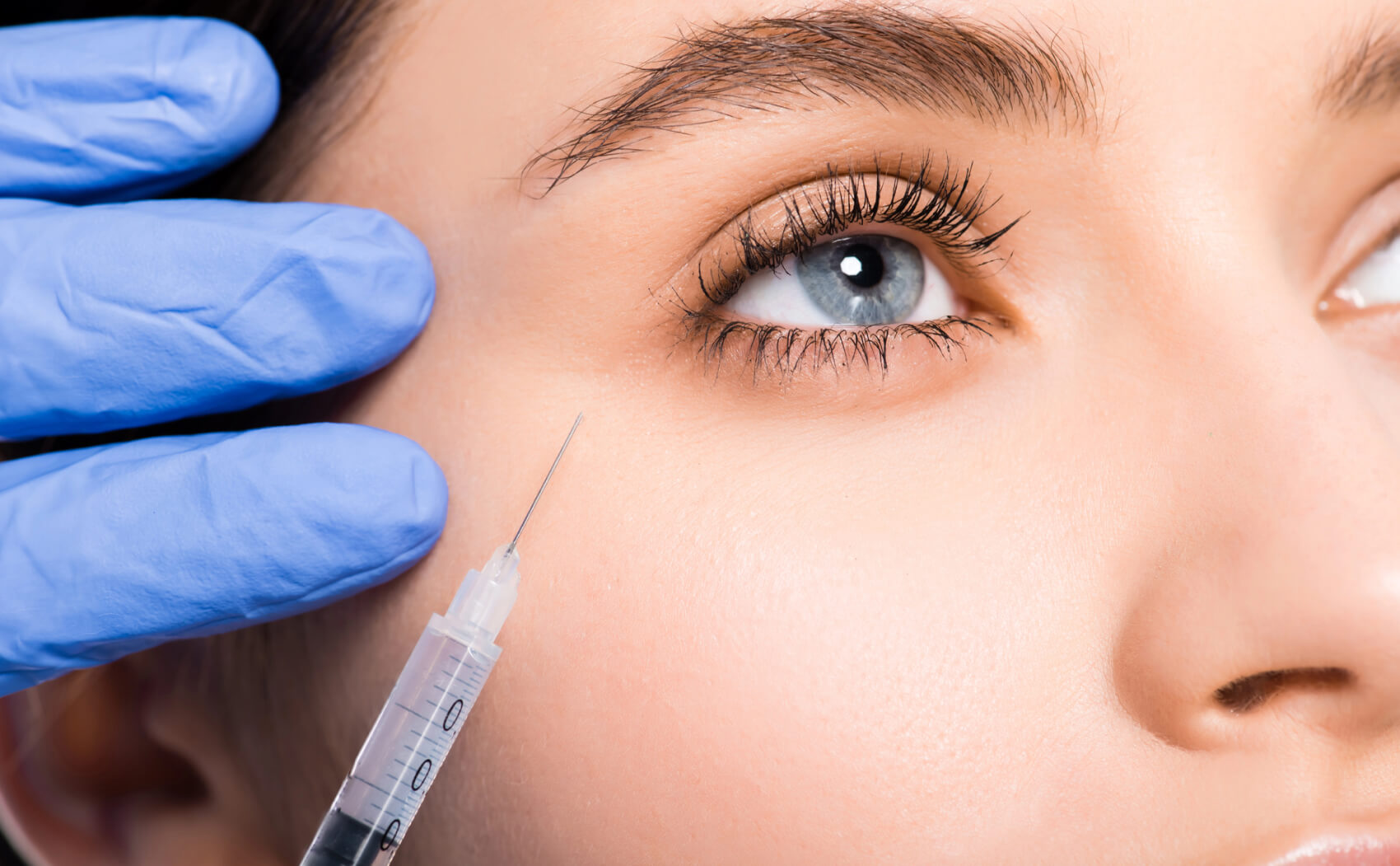
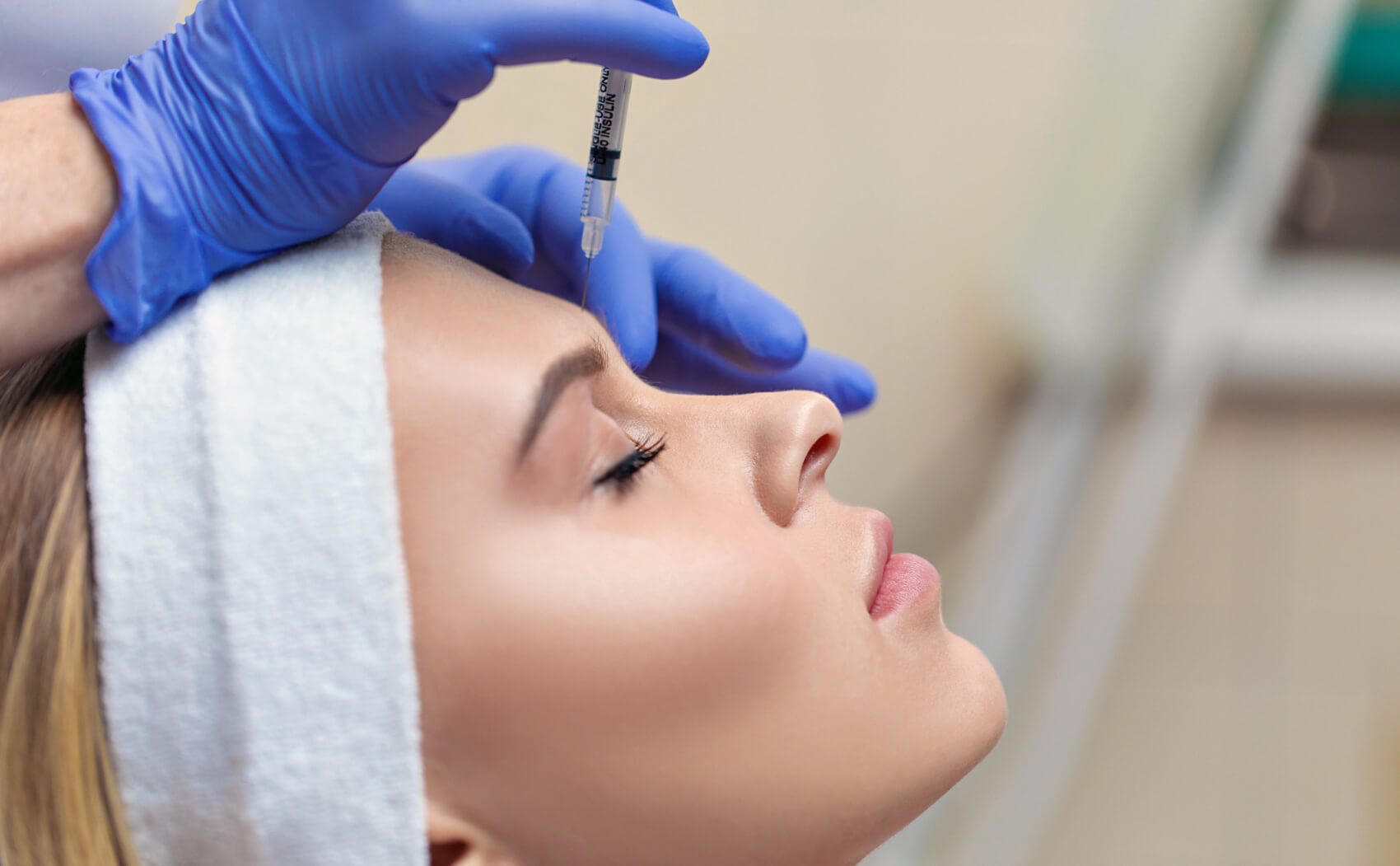
Sculptra is not your typical dermal filler—it’s a biostimulatory injectable made from poly-L-lactic acid (PLLA), a substance long used in medical sutures for its safety and compatibility with the body. But what sets Sculptra apart isn’t what it adds—it’s what it encourages your body to rebuild. Rather than filling lines directly, it acts as a catalyst, stimulating fibroblasts to produce collagen over several months. What’s often overlooked is the way Sculptra integrates with the skin’s microarchitecture, reinforcing the dermal matrix rather than simply stretching it. This makes it especially effective for treating diffuse volume loss, like hollow cheeks or temple thinning—areas where traditional fillers can sometimes look puffy or artificial. In this sense, Sculptra is less about reshaping and more about restoration, appealing to those who want their results to develop subtly, gradually, and in harmony with their natural facial structure.
How Does Sculptra Work? Understanding the Process Behind the Promise
Sculptra works by initiating a controlled inflammatory response deep within the dermis, prompting your body to produce type I collagen—the same kind lost with age. But what’s rarely discussed is how this process subtly re-educates the skin over time. After each injection, the poly-L-lactic acid microparticles act like scaffolding, triggering a slow, localized fibroblast response. As these particles break down naturally, your skin gradually becomes denser, firmer, and more resilient—not just fuller. This regenerative cascade can continue for up to two years, creating a foundation that supports the skin’s shape rather than masking age-related changes. Unlike traditional fillers that deliver instant but temporary volume, Sculptra teaches your skin to rebuild itself, encouraging improvements in texture, elasticity, and tone. It’s a treatment that not only enhances appearance but shifts the paradigm from correction to prevention—ideal for those seeking longevity in their skincare strategy.
Sculptra vs Dermal Fillers: Choosing the Right Collagen Stimulation Treatment
Immediate Volume vs. Long-Term Regeneration
The primary difference between Sculptra and traditional dermal fillers lies in their mechanism and timeline. Hyaluronic acid fillers—like Juvederm or Restylane—provide instant volume by physically filling space under the skin. They’re ideal for targeted enhancements like lip plumping or smoothing deep folds. Sculptra, on the other hand, initiates collagen regeneration over weeks to months, gradually restoring lost structure from within.
Strategic Use Over Time
What many providers overlook is how both treatments can serve distinct, complementary roles. While fillers are quick solutions for sharp definition, Sculptra supports foundational integrity—preventing the hollowing and sagging that fillers alone can’t correct long-term.
Suitability and Skin Behavior
For patients with early signs of aging or diffuse facial volume loss, Sculptra may offer a more natural, evolving result. Those with thinner skin or minimal elasticity often respond better to its regenerative effects than with repeated filler use, which can sometimes distort natural contours over time.
Sculptra Results Longevity: How Long Will It Really Last?
Sculptra’s longevity sets it apart from many injectable treatments. While traditional dermal fillers typically require maintenance every 6-12 months, Sculptra can last up to two years, depending on individual factors. The reason for this extended duration lies in the treatment’s ability to stimulate collagen production rather than simply filling wrinkles. As your body gradually produces collagen over time, the results remain subtle and enduring. However, lifestyle choices—such as sun exposure, smoking, and overall skincare—can influence how long these effects last. In fact, patients often find that the longer they continue Sculptra treatments, the more their skin appears naturally revitalized, maintaining structural integrity even as they age. This makes it ideal for those looking for sustainable, gradual rejuvenation.
Sculptra Side Effects and Benefits: What You Need to Know Before You Try It
Benefits:
- Natural-Looking Results: Unlike other fillers that provide instant volume, Sculptra’s gradual collagen stimulation produces subtle, natural-looking results that enhance skin quality over time. Many users report a restoration of youthful skin texture and density that avoids the “overfilled” look often associated with traditional fillers.
- Long-Lasting Effects: Sculptra can last up to two years, making it one of the longest-lasting injectable treatments available. The prolonged results are due to the way Sculptra triggers your skin’s own collagen production, providing sustained improvements in skin structure.
- Improved Skin Quality: As the collagen builds, skin becomes smoother, firmer, and more resilient. Sculptra doesn’t just fill wrinkles—it supports long-term skin health and prevents future signs of aging from appearing as quickly.
- Minimal Downtime: While some temporary redness or swelling may occur at injection sites, most patients experience little to no downtime, making Sculptra a low-maintenance option for those with busy schedules.
Side Effects:
- Bruising and Swelling: Mild bruising or swelling at injection sites is common, especially in sensitive areas like under the eyes or around the mouth. These effects are typically temporary, lasting a few days to a week.
- Lumps or Nodules: In rare cases, patients may develop small lumps or nodules beneath the skin. These are usually not visible but may cause minor discomfort. Massage techniques can often help break up these bumps.
- Delayed Results: Because Sculptra works by stimulating collagen production, results aren’t immediate. This can be a downside for those seeking instant gratification, but it’s important to keep in mind that the slow, gradual improvement is what provides lasting benefits.
- Risk of Overcorrection: While Sculptra promotes a more natural look, overuse can cause an unintended appearance of fullness. It’s essential to work with an experienced provider to ensure a balanced, controlled approach to treatment.
Who Is (and Isn’t) a Good Candidate for Sculptra?
Sculptra is ideal for individuals with early to moderate signs of aging, particularly those experiencing collagen loss in areas like the temples, cheeks, and jawline. It’s especially effective for those who want gradual, natural-looking results that restore facial volume without the “frozen” look. Candidates who prioritize long-term skin health over quick fixes will benefit most from Sculptra’s subtle approach.
However, it may not be suitable for individuals with active skin infections, severe skin conditions, or unrealistic expectations about immediate results. People with very thin skin or those looking for instant volume may not see optimal results, as Sculptra’s gradual effect requires patience and a commitment to multiple sessions for best outcomes.
Conclusion
Sculptra is a unique, long-lasting treatment that offers subtle, natural rejuvenation by stimulating collagen production over time. Its gradual results and focus on skin health make it an excellent choice for those seeking a more refined approach to facial aging. However, as with any treatment, it’s essential to understand the process, benefits, and potential side effects before deciding if it’s right for you.
Ready to explore how Sculptra can enhance your skin’s natural beauty? Visit us at Genevieve Aesthetic or call (704) 286-8482 to schedule your consultation and discover the personalized care you deserve.