.png)
Does Kybella Really Tighten Skin? Everything You Need to Know

Kybella has revolutionized non-surgical fat reduction, offering a highly effective solution for those looking to eliminate submental fat, commonly referred to as a double chin. Its active ingredient, deoxycholic acid, targets and destroys fat cells, providing long-lasting results. While Kybella’s ability to sculpt and contour the jawline is well-documented, a common question remains: does it also tighten the skin?
The relationship between fat reduction and skin laxity is more complex than it seems. While some patients experience noticeable skin tightening after Kybella, others may require additional treatments to address loose skin. This article takes a deep dive into the science behind Kybella, exploring its impact on skin elasticity, factors that influence results, and options for enhancing skin firmness after treatment. Understanding these nuances can help you make an informed decision about whether Kybella is the right choice for your aesthetic goals.
Understanding How Kybella Works
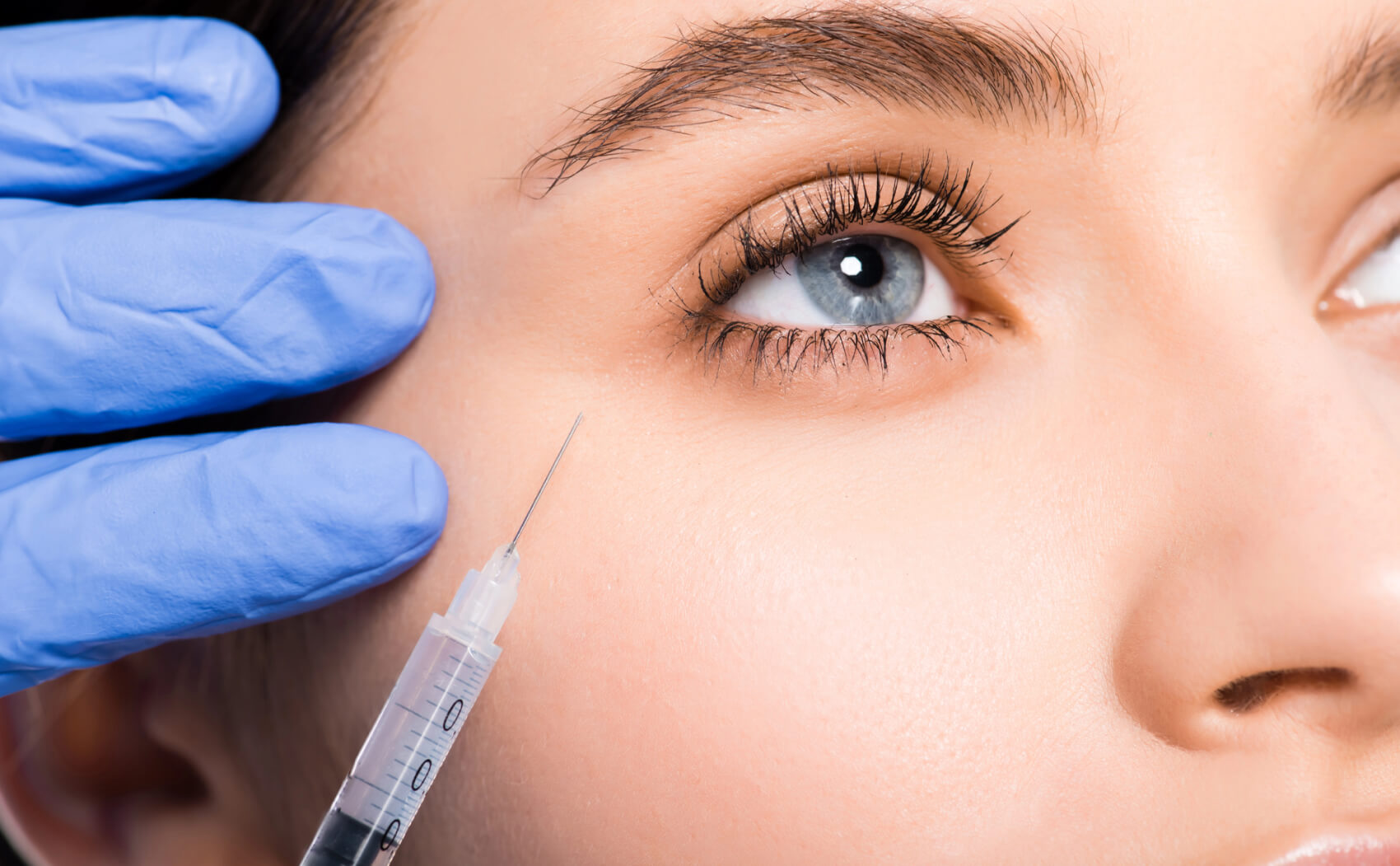
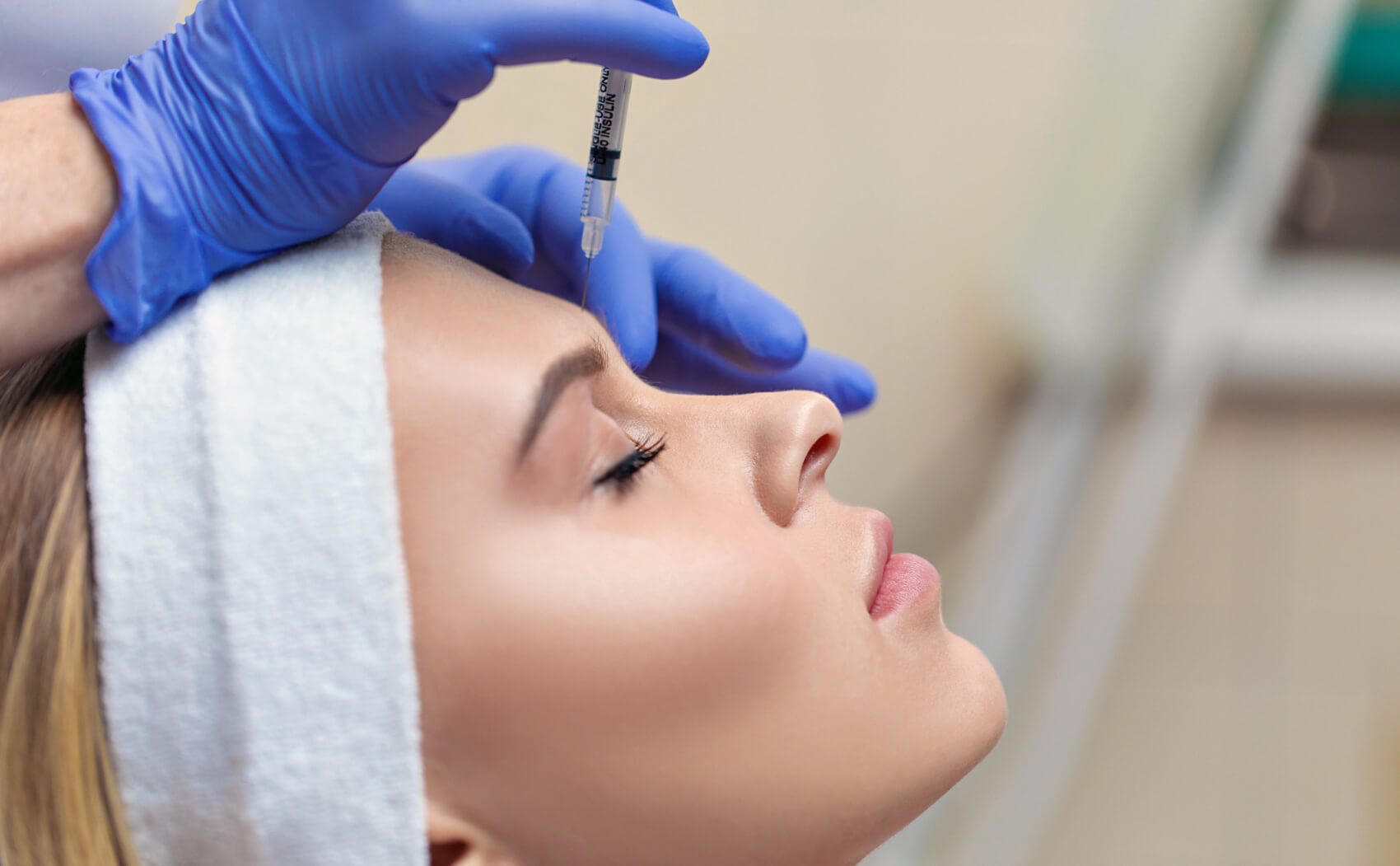
Kybella is an FDA-approved injectable treatment specifically designed to reduce submental fat, commonly referred to as a double chin. Its active ingredient, deoxycholic acid, is a naturally occurring molecule in the body that aids in breaking down and absorbing dietary fat. When strategically injected into targeted areas under the chin, Kybella works by destroying fat cells permanently. Once these fat cells are eliminated, the body naturally metabolizes them, leaving a more contoured and defined jawline.
What sets Kybella apart is its non-surgical approach, making it an appealing option for individuals seeking fat reduction without the risks and downtime associated with invasive procedures like liposuction. The treatment is customized to the patient’s unique anatomy and goals, with most individuals requiring multiple sessions spaced about a month apart to achieve optimal results.
However, it’s important to note that Kybella’s mechanism specifically targets fat cells and does not directly impact skin elasticity. While some patients may see natural skin tightening after fat removal, particularly if they have good skin elasticity, others might experience mild skin laxity if their skin doesn’t retract fully. For individuals concerned about loose skin, combining Kybella with complementary treatments that enhance collagen production can offer more comprehensive results. This tailored approach ensures both fat reduction and skin firmness, delivering a balanced, youthful appearance.
Does Kybella Tighten Skin?
Kybella is widely celebrated for its ability to reduce submental fat effectively, but it’s not specifically designed to tighten skin. The results in terms of skin firmness can vary significantly from person to person, depending on factors such as skin elasticity, age, and the amount of fat removed during treatment. While some individuals experience noticeable tightening as their skin naturally retracts after fat reduction, others may find that additional treatments are needed to address loose skin.
Factors Influencing Skin Tightening Post-Kybella
Several key factors can determine whether your skin tightens after Kybella treatments:
- Age: Younger individuals tend to have better skin elasticity, allowing the skin to retract more easily after fat loss.
- Genetics: Your genetic makeup plays a role in skin firmness and the ability to bounce back post-treatment.
- Amount of Fat Removed: The larger the volume of fat treated, the greater the likelihood of skin laxity, particularly if elasticity is already compromised.
- Skin Condition: Pre-existing skin laxity or damage from sun exposure can limit the skin’s ability to tighten naturally.
- Collagen Levels: Higher collagen levels promote skin firmness, while reduced collagen, common with aging, may lead to less skin retraction.
Understanding these factors can help manage expectations and guide decisions about whether additional skin-tightening treatments may be necessary to achieve the desired aesthetic outcome.
Enhancing Skin Tightening After Kybella
While Kybella is highly effective at reducing fat under the chin, it doesn’t directly tighten the skin. For individuals concerned about skin laxity after fat removal, there are several strategies to enhance skin tightening and achieve a smoother, firmer appearance. Combining Kybella with additional treatments or adopting specific skincare habits can optimize results and address concerns about loose skin.
- Non-Surgical Skin Tightening Treatments: Technologies like radiofrequency (e.g., Thermage or Venus Legacy) or ultrasound-based therapies stimulate collagen production, helping to firm and tighten the skin in the treated area.
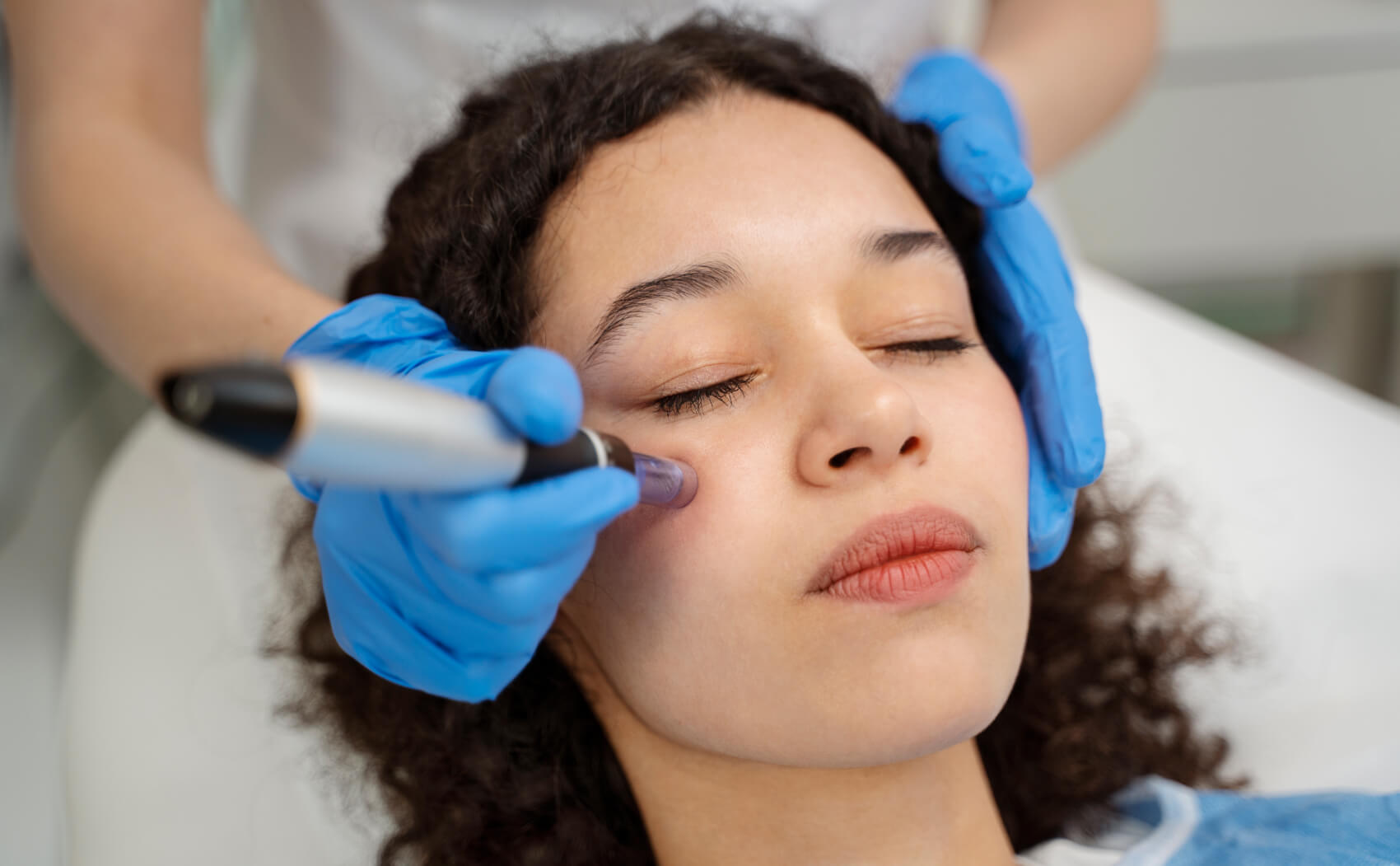
- Microneedling with PRP/PRF: Combining microneedling with platelet-rich plasma or fibrin can boost collagen and elastin production, improving skin texture and elasticity over time.
- Collagen-Boosting Skincare: Incorporating products with retinoids, peptides, or vitamin C into your skincare routine supports collagen synthesis, enhancing skin firmness after treatment.
- Hydration and Nutrition: Staying hydrated and consuming a diet rich in vitamins A, C, and E can improve skin health and elasticity.
- Customized Treatment Plans: Consulting with a professional to create a tailored approach that includes both fat reduction and skin-tightening solutions ensures optimal results.
By leveraging these techniques, patients can enhance skin firmness after Kybella and achieve a more defined, youthful profile.
Is Kybella Right for You?
Kybella is an excellent option for individuals looking to address submental fat without the need for surgery. However, determining whether it’s the right treatment for you depends on your unique goals, skin condition, and anatomy. Ideal candidates for Kybella typically have mild to moderate submental fat and good skin elasticity, which allows the skin to naturally conform to the jawline after fat removal.
For those with significant skin laxity or poor elasticity, Kybella alone may not provide the desired results. In these cases, combining Kybella with skin-tightening treatments or opting for alternative solutions may be more effective. Additionally, individuals with certain medical conditions, such as active infections in the treatment area, or women who are pregnant or nursing, may not be suitable candidates for Kybella.
Your lifestyle and expectations also play a role in determining whether Kybella is right for you. The treatment requires multiple sessions spaced about a month apart for optimal results, so it’s important to be committed to the process. Consulting with a qualified provider is the best way to assess your suitability for Kybella. During a consultation, they can evaluate your anatomy, discuss your goals, and recommend a customized plan that may include Kybella alone or in combination with other treatments to achieve your desired look.
Conclusion
Kybella is a revolutionary treatment for reducing submental fat and achieving a more defined jawline. While it doesn’t directly tighten skin, its impact on skin laxity depends on individual factors like age, elasticity, and the volume of fat removed. For those concerned about loose skin, combining Kybella with complementary treatments can enhance overall results.
Ready to discover if Kybella is the right solution for you? Visit Genevieve & Co. in Charlotte, NC, or call us at (704) 286-8482 to schedule your personalized consultation. Let our expert team help you achieve the contoured, confident look you deserve!